As a high-tech country, China is rapidly transitioning to alternative traction systems in order to decarbonise road transport.
The latest evidence comes from data on medium and heavy truck registrations, as well as from the latest Wuhan Commercial Vehicle Show (CCVS). The growth of alternative drivelines has been impressive over the last two or three years.
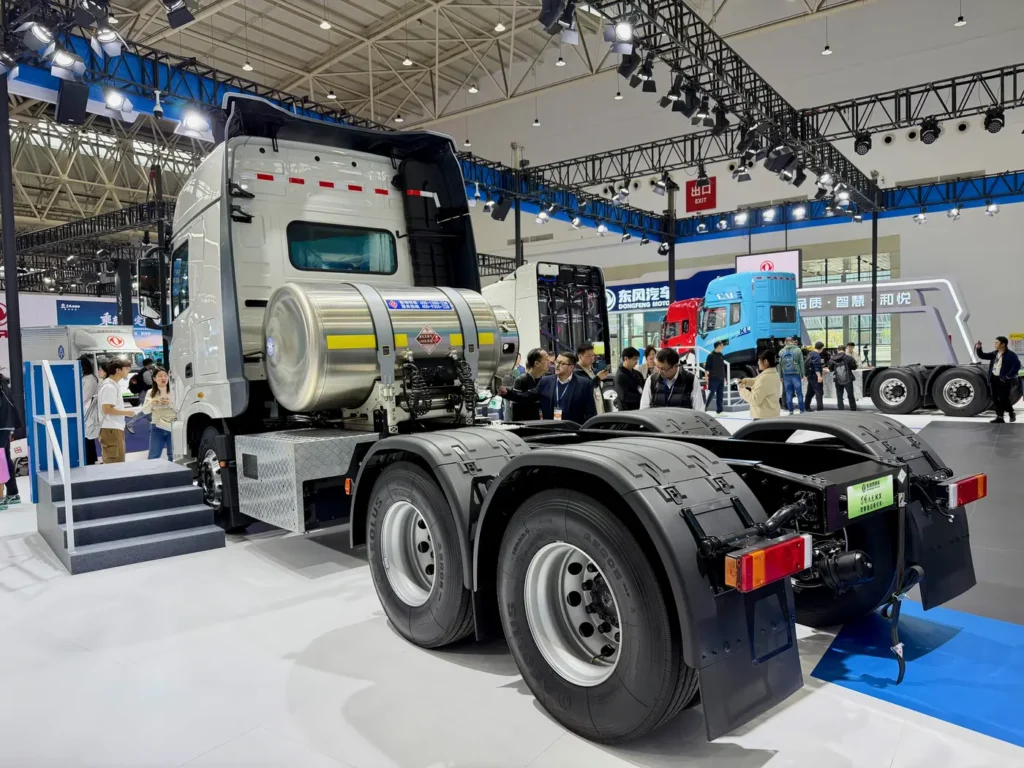
The first turning point occurred two and a half years ago, when there was a rapid shift from diesel engines to liquefied natural gas (LNG) units for reasons related to fuel costs. Chinese manufacturers have adopted a practical and functional solution involving the installation of one or two cryogenic tanks stacked behind the cab of 6×4 tractors. These are suitable for combinations with a total weight of 49 tonnes, which are by far the most common in China.
A second turning point is linked to the rapid growth of battery electric trucks (BEVs). According to data reported by the International Council on Clean Transportation (ICCT), in 2024 BEVs accounted for 13% of the market for vehicles over 14 tonnes (compared to 57% for diesel trucks and 29% for gas trucks), and around 14% of the market for medium-sized vehicles (compared to 81% for diesel trucks and 3% for methane trucks). Overall, including medium-duty, heavy-duty vehicles and buses, around 230,000 locally zero-emission (ZEV) vehicles hit the road, which, from a European perspective, is a stratospheric figure.
In the first half of 2025, the percentage of BEVs among heavy goods vehicles (mainly semi-trailer tractors and tipper trucks) increased to 22%, while the percentage of diesel vehiclesfell to 52%, and the percentage of gas models fell to 25%. The growth in battery electric vehicles also affected medium-duty vehicles. In this segment, BEVs accounted for 17% of registrations compared to 76% for diesel engines and 5% for natural gas engines.
Total cost of ownership (TCO) is key
As in other parts of the world, the purchasing decisions of Chinese transport companies are driven by the Total Cost of Ownership (TCO). The price of fuel or energy is a key factor in the economic sustainability of the business.
In China, the average cost of sulphur-free diesel ranges from 6.6 to 6.8 yuan (€0.80–0.83/litre), while LNG is sold at 3.5–4.1 yuan per kilogramme (€0.42–0.50/kg). At public charging stations, the price per kilowatt hour ranges from 1.1 to 1.5 yuan (i.e. €0.13–0.18/kWh), which partly explains the decision to focus on BEVs.
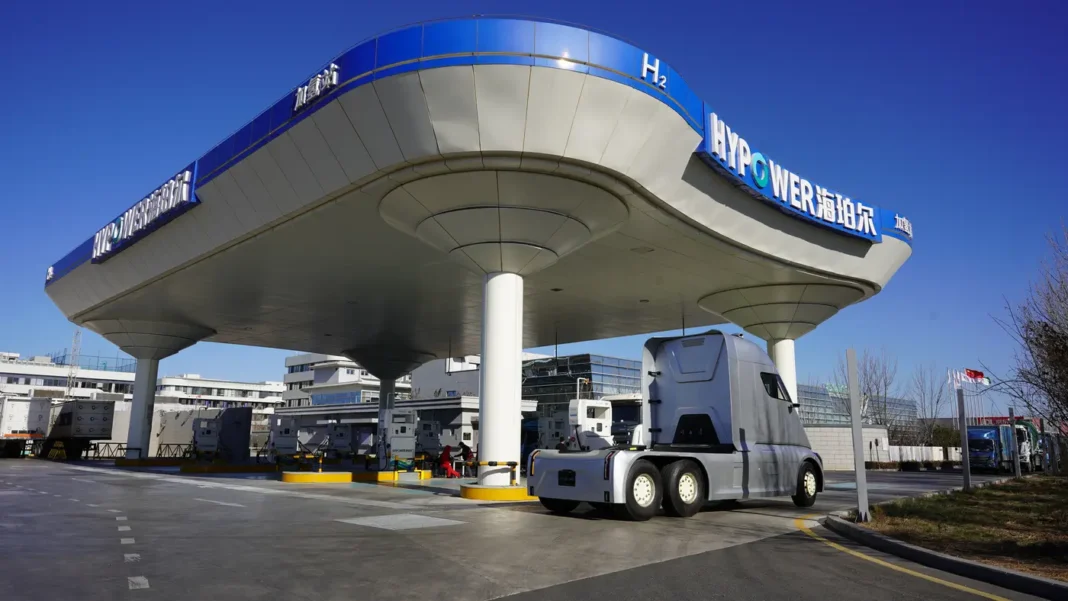
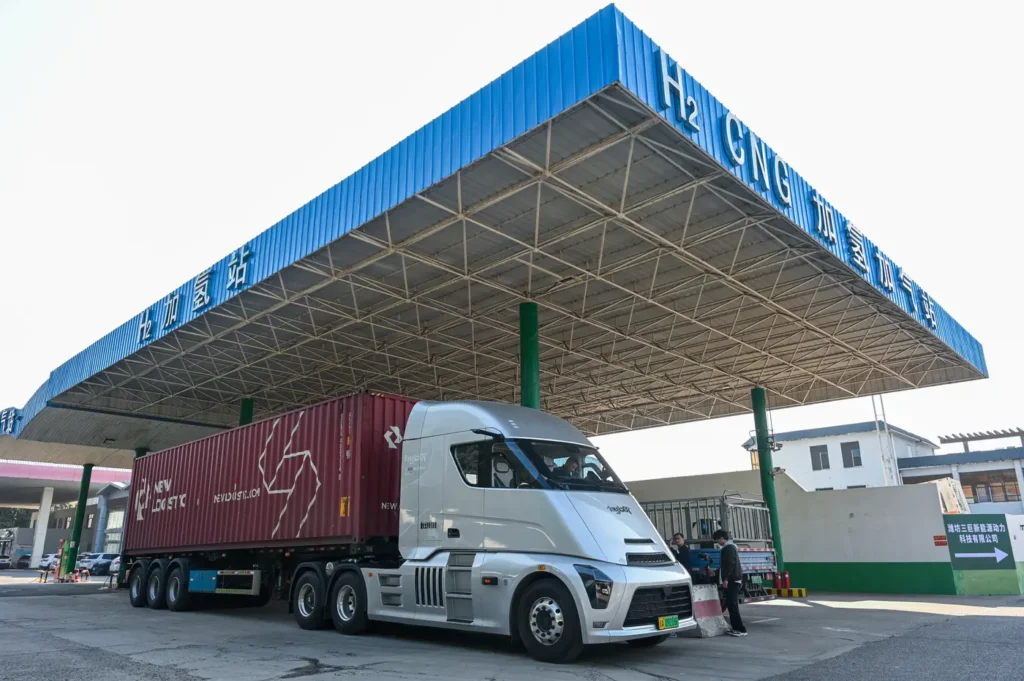
Finally, there is hydrogen, an energy carrier on which China is focusing heavily to decarbonise its economic activities, including transport, by increasing the use of fuel cell electric vehicles (FCEVs). According to the National Energy Administration (NEA), today the cost of producing one kilogram of H₂ is around 28 yuan (€3.40), compared to over €8 in Europe, while the purchase price for end users is around 48.6 yuan (€5.90).
In this rapidly evolving context, battery electric vehicles (BEVs) and fuel cell trucks (FCEVs) play – and will play an even greater role in the future – a decisive part in achieving China’s goal of carbon neutrality by 2060.
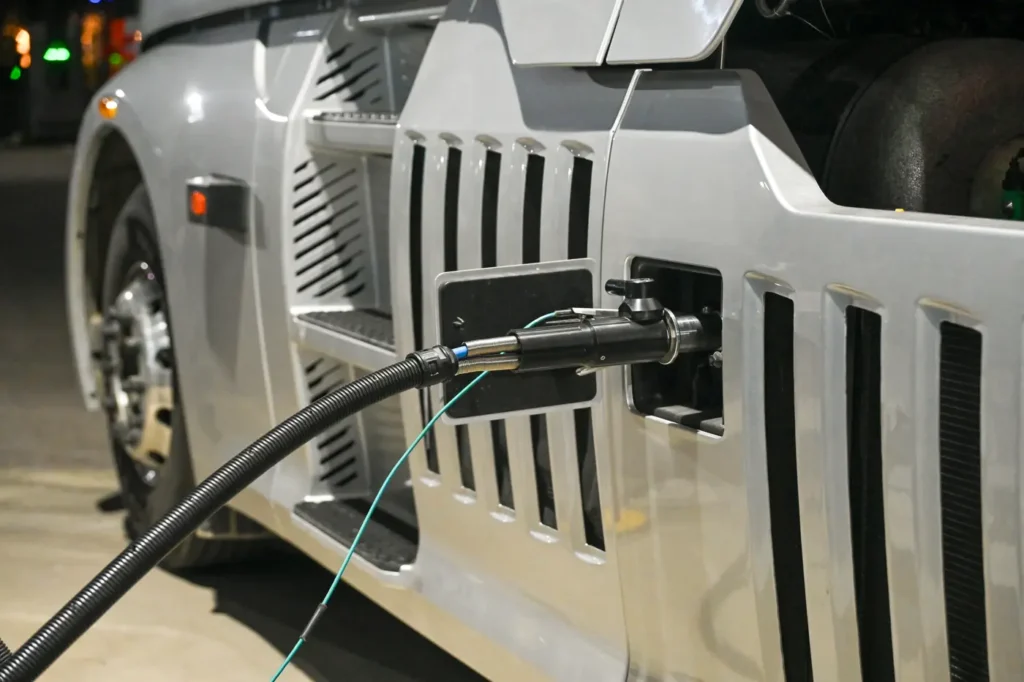
Ambitious targets
China has set ambitious targets for the development of electric mobility, with the introduction of battery electric vehicles (BEVs) and hydrogen fuel cell vehicles (FCEVs).
This development is supported by a comprehensive ecosystem, vigorously promoted by the central government and individual provinces. To accelerate the uptake of BEVs, there is a robust expansion of electricity production capacity underway, with an increased use of renewable sources (wind and solar), increased energy storage capacity (to compensate for the variability of renewables), an expansion of the charging network, and the spread of automated systems for the rapid replacement of entire battery packs (battery swaps) in lorries.
This solution enables batteries to be changed in a matter of minutes (5–8 minutes in total), thus avoiding the lengthy charging times. It also limits the investment required to purchase zero-emission vehicles, as the batteries — which cost almost as much as the truck without batteries — are rented rather than purchased.
Data from the first half of 2025 shows that approximately 20,400 heavy goods vehicles (30% of the total number of electric vehicles) are equipped with rapid battery replacement systems, which is evidence of the success of battery swapping. The two pillars supporting the adoption of zero-emission vehicles in China are growth in electricity production capacity and green hydrogen from renewable sources. In 2024, the amount of energy generated by wind and solar power increased by 25% compared to the previous year.
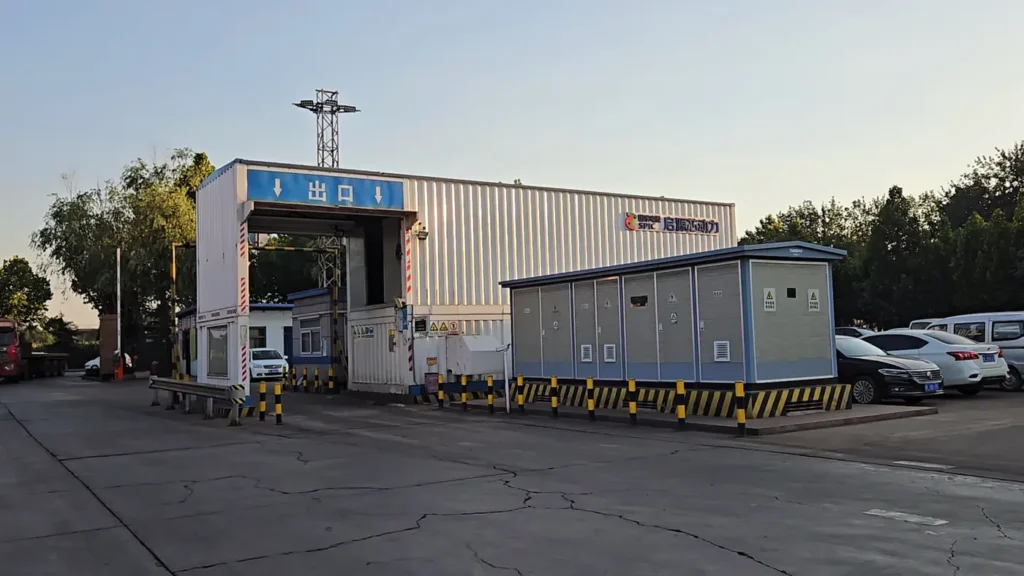
In the first half of 2025, there was a further increase of 27% compared to the same period in 2024. From June 2024 to June 2025, the energy generated by solar panels and wind farms in China reached 2,073 terawatts, surpassing the 1,936 terawatts generated by nuclear, hydroelectric, and biomass energy sources.
According to data released by the National Energy Administration (NEA), China reached a production capacity of approximately 36.5 million tonnes of green hydrogen per year in 2024, accounting for around 50% of global production.
Around 125,000 tonnes of hydrogen (an increase of over 38% compared to 2023) were produced by water electrolysis, meaning they are considered green hydrogen. The development of hydrogen also involved the refuelling infrastructure, which reached 540 service stations by the end of 2024, with over 600 planned by the end of 2025.
Hybrids, battery electric vehicles, and fuel cell trucks
Hybrids, battery electric vehicles, and fuel cell trucks were on display at the China Commercial Vehicle Show (CCVS) in Wuhan, showcasing the rapid development of alternative fuel powertrains.
Among the models with gas-electric hybrid drivelines was Dongfeng’s 6×4 Tianlong (literally ‘Heavenly Dragon’) KX tractor. In addition to an internal combustion engine powered by liquefied natural gas, with a 1,350-litre cryogenic tank behind the cab, it uses an 80 kW electric motor to provide additional torque to the wheels when climbing or during periods of maximum energy consumption.
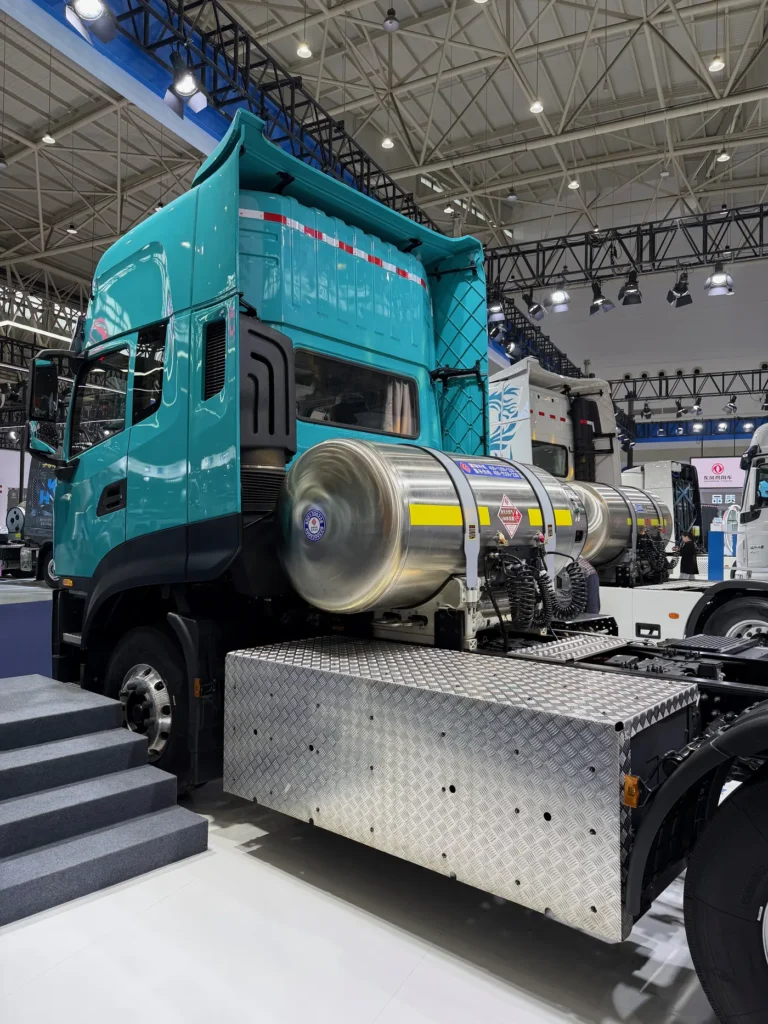
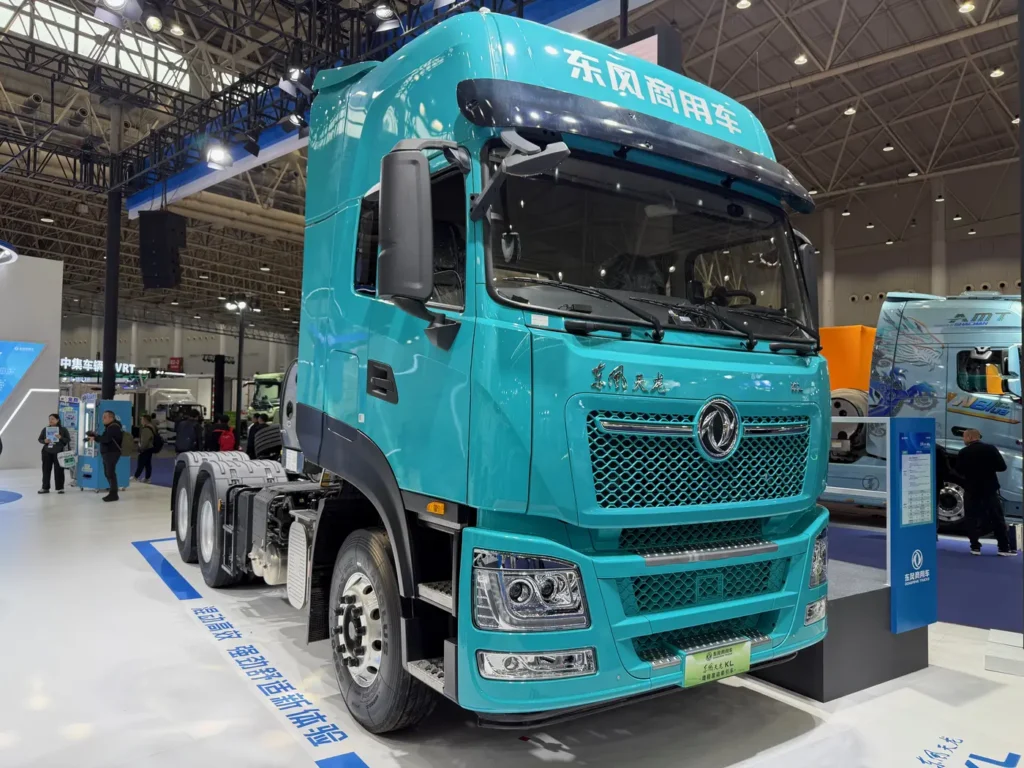
A hybrid configuration in which the combustion engine acts as a range extender can be found in the Dongfeng Tianlong KL 6×4. This model features a 78.3 kW battery and a 170 kW LNG engine, which is powered by a 1,000-litre tank.
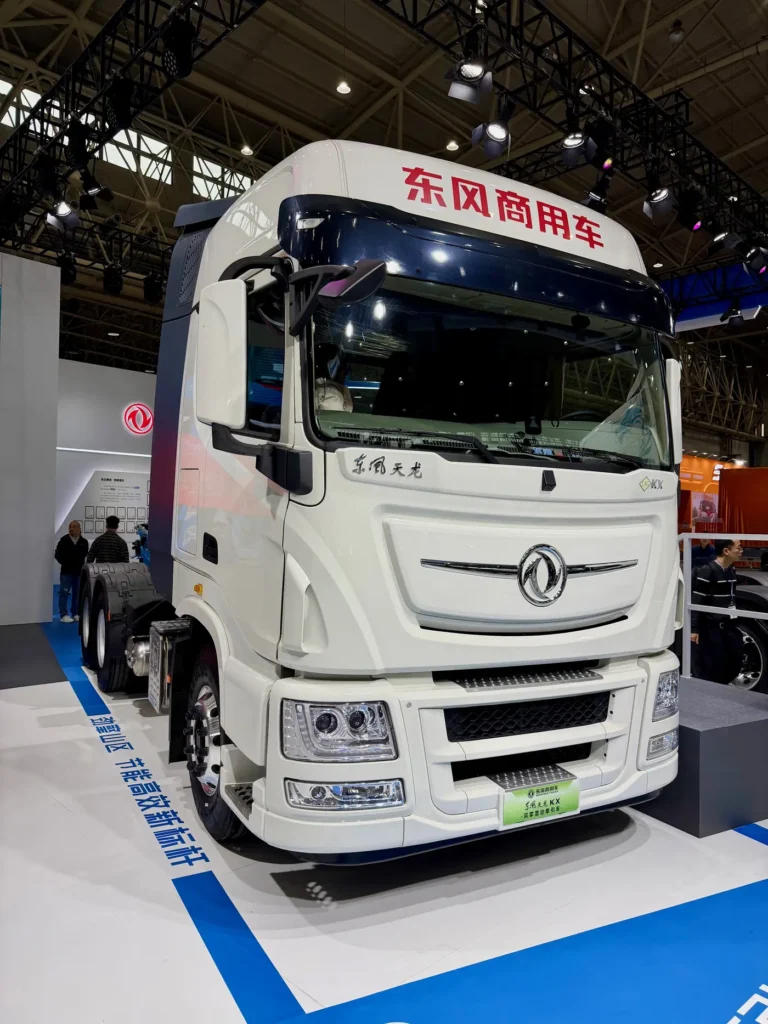
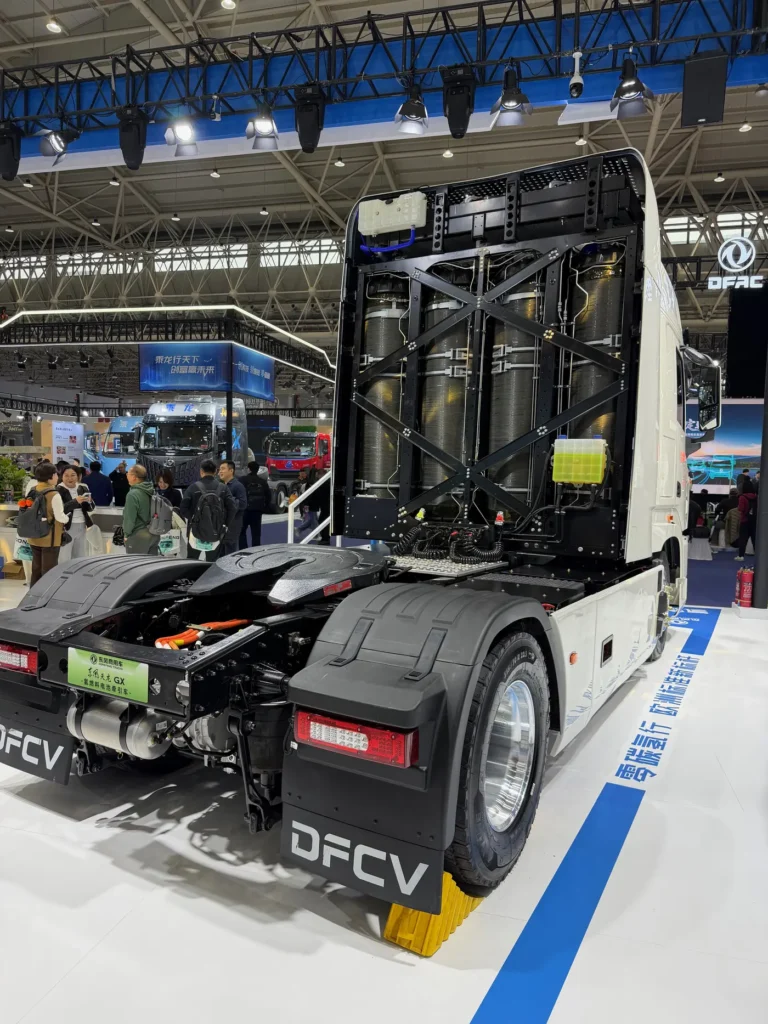
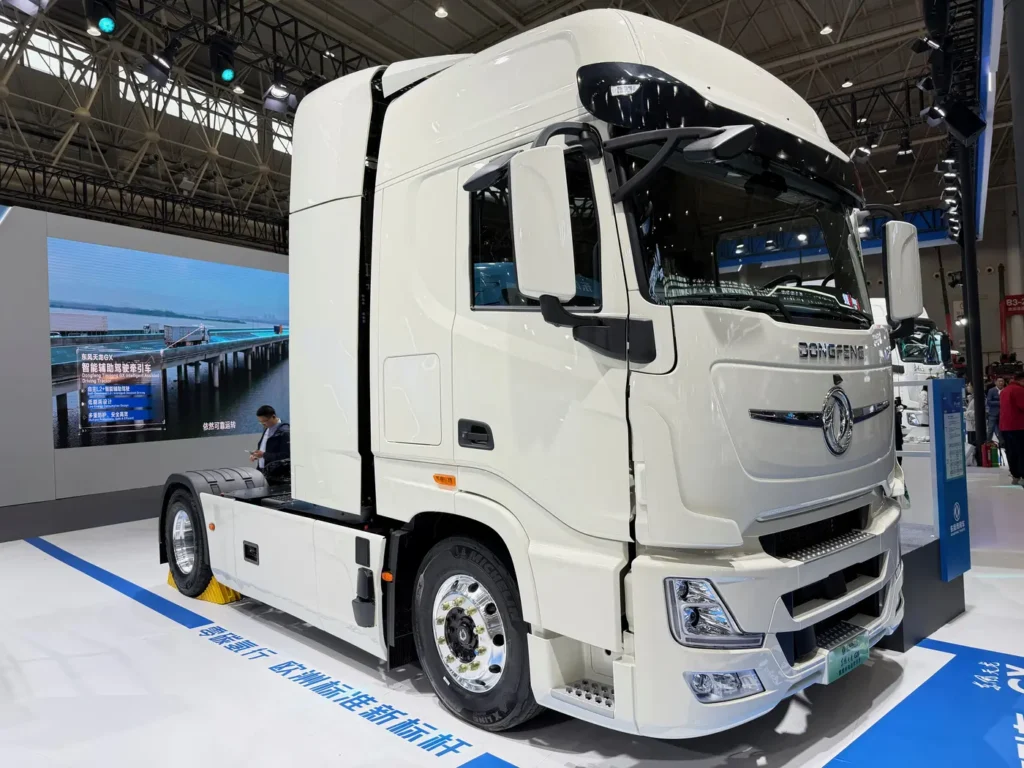
Another model from Dongfeng — one of China’s leading heavy-duty vehicle manufacturers with a market share of over 24% in the segment above 14 tonnes — is the 4×2 Tianlong GX tractor with a 4.1-metre wheelbase. This vehicle is equipped with a 190 kW fuel cell powered by gaseous hydrogen stored at a pressure of 700 bar in four vertical carbon fibre tanks behind the cab.
The Z Truck tractor, created by a Chinese start-up formed from a collaboration between Shanghai Wuliu Automotive Technology and Horizon Fuel Cells, has two 150 kW fuel cells. According to the manufacturer’s data, the vehicle’s main feature is its operating range of over 1,500 kilometres. This has been made possible by a 600 kWh battery, which is significantly larger than those normally installed in fuel cell vehicles.
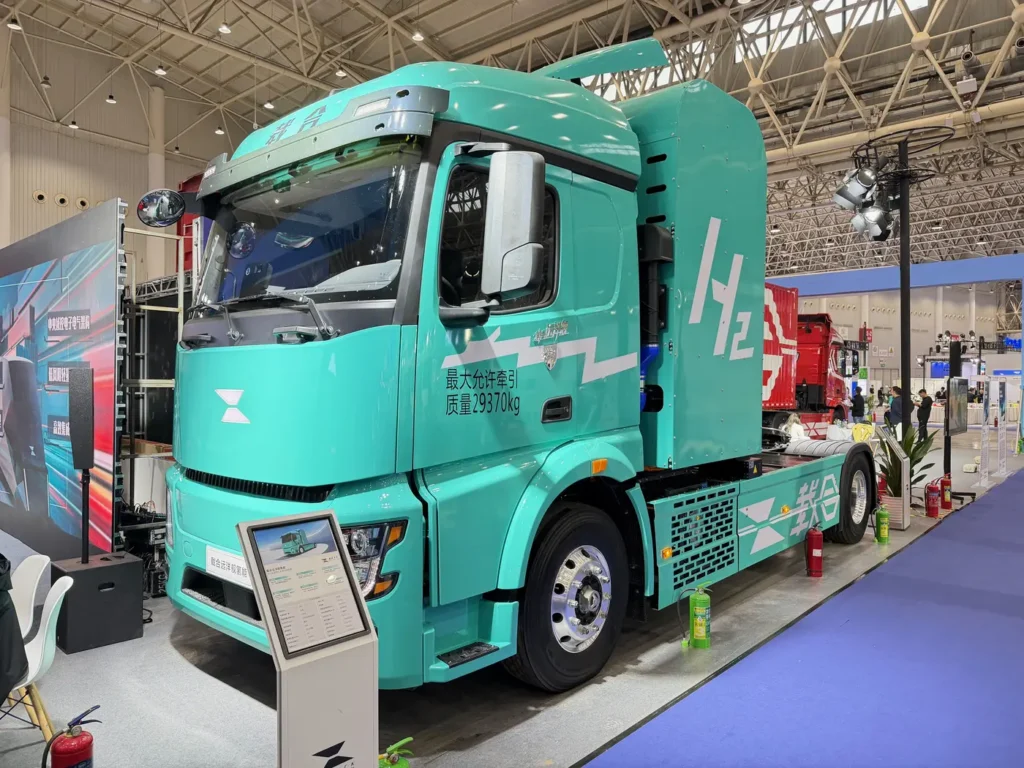
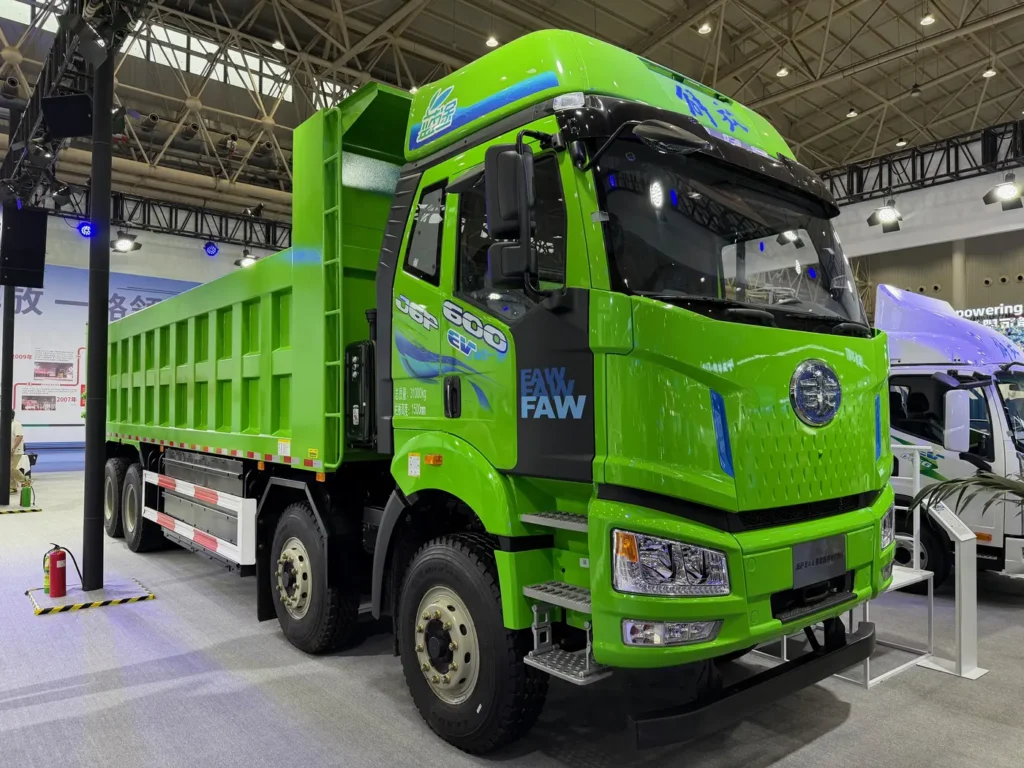
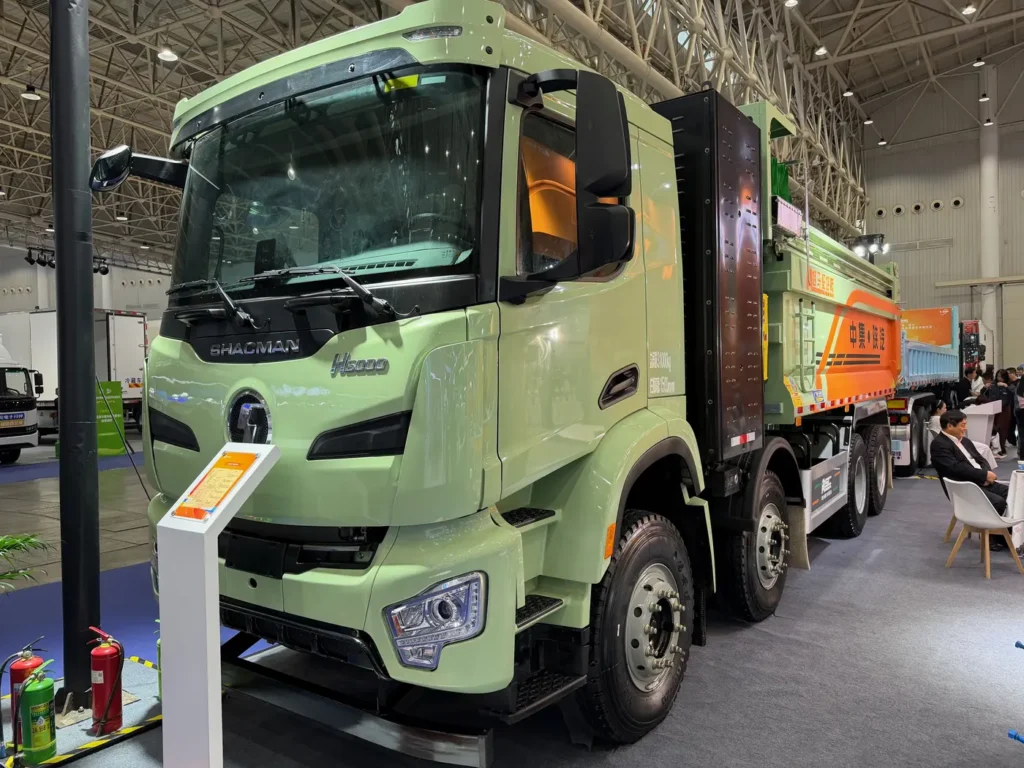
The Chinese commercial vehicle show featured many battery electric trucks (BEVs) intended for regional use or the construction sector, as well as for supporting construction sites. These included the Chenglong H5 from Dongfeng (Dongfeng Liuzhou Motor) in an 8×4 configuration, which is equipped with batteries with a maximum capacity of over 600 kWh.
Other examples include the FAW J6L EV 8×4 chassis with a concrete mixer featuring 352 kWh lithium-iron phosphate (LFP) units that allow a range of 200–220 kilometres; the J6L EV 6×4 tractor for regional use from FAW with 400 kWh batteries; and the J6P EV chassis cab with a rear tipper and a 600 kWh battery pack. In all three cases, a quick battery swap system is provided to avoid prolonged downtime.
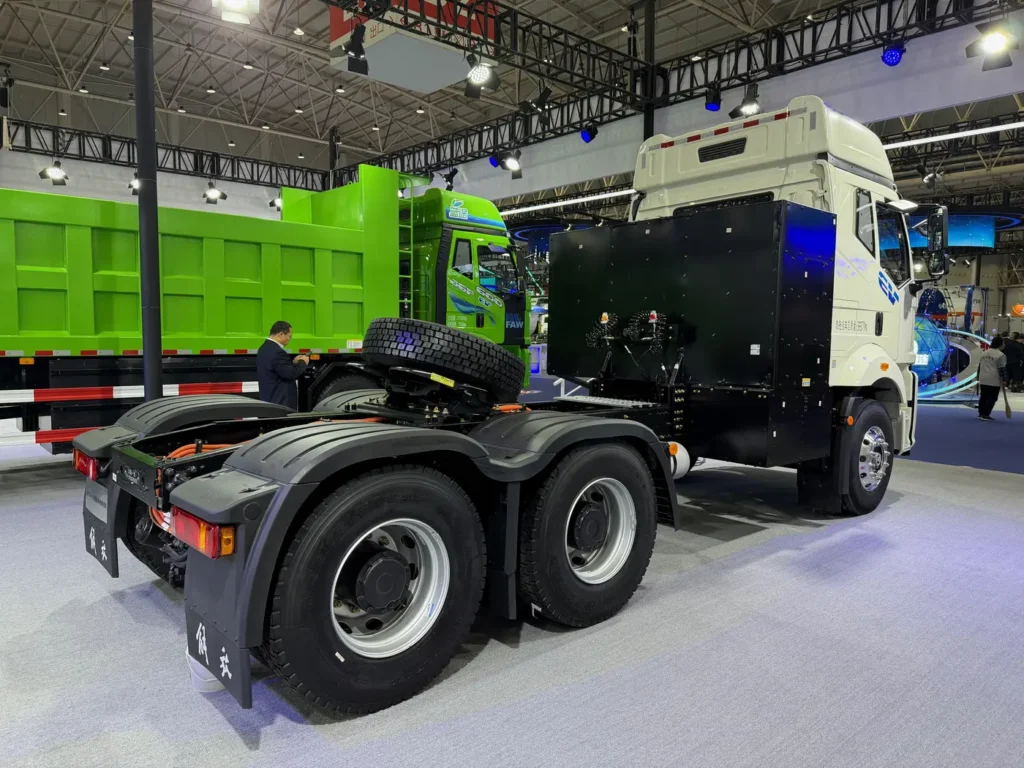
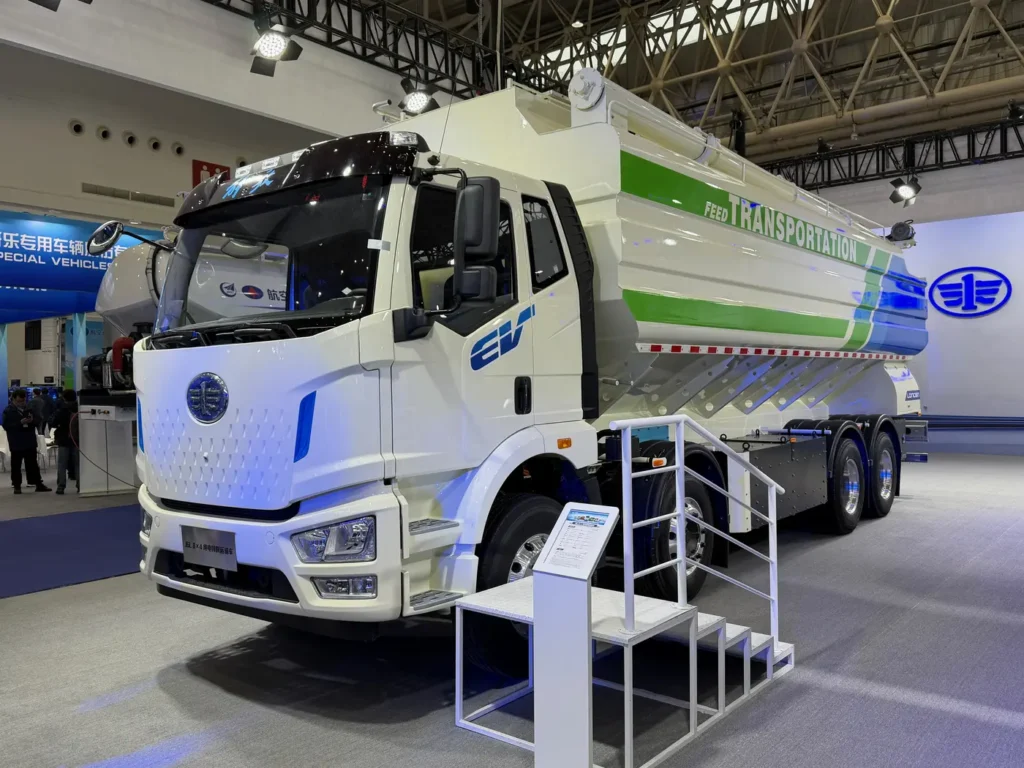
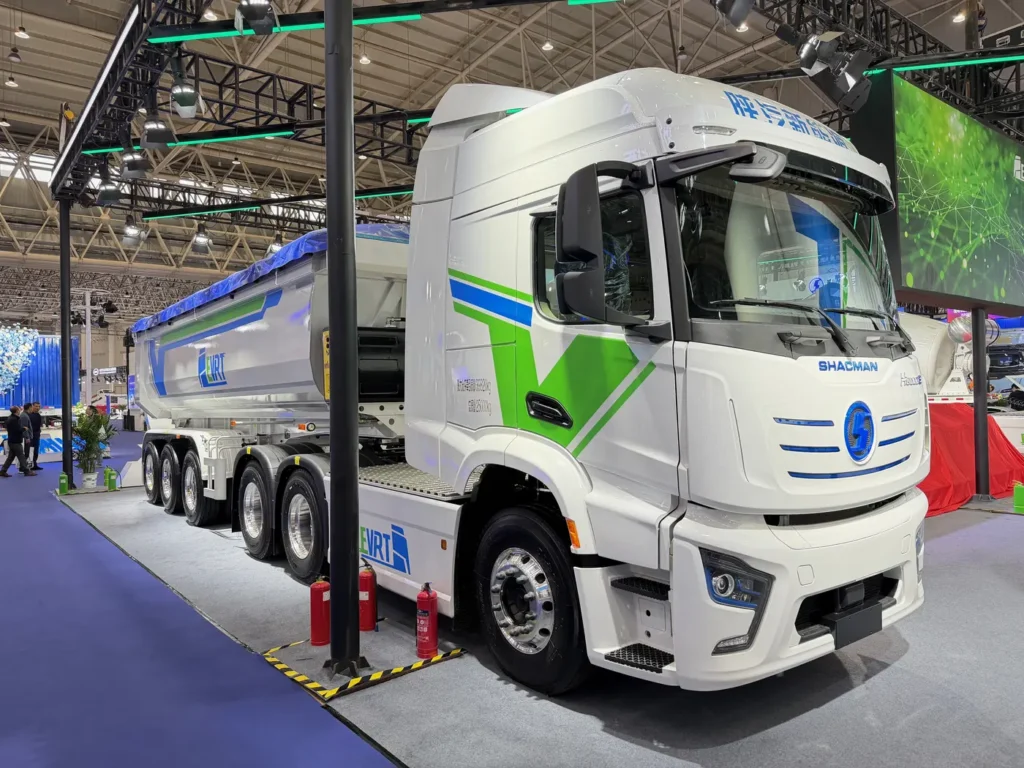
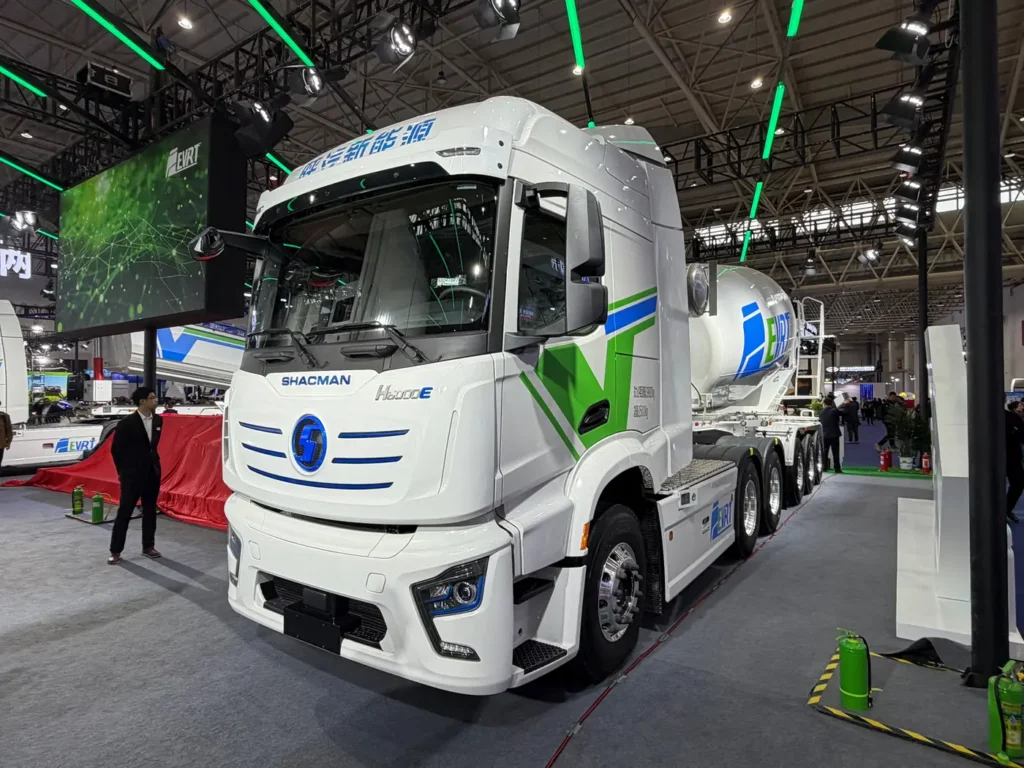
Finally, there was an interesting combination of a tractor (Shacman H6000E) with EVRT semi-trailers equipped with an electrified axle. The towed vehicle can provide the articulated lorry with additional torque during periods of maximum energy demand.
The Hybot H49 won the Chinese Truck of the Year 2026 award
Awarded by the Chinese magazine Commercial Vehicle Magazine with the support of International Truck of the Year journalists, the title of Chinese Truck of the Year 2026 went to the Hybot H49, a fuel cell electric vehicle (FCEV) developed by Guangzhou Hybot Technology, a start-up company.
Founded in late 2021, the Chinese company has made rapid progress by leveraging venture capital from numerous domestic investors and an efficient local ecosystem focused on hydrogen technologies.
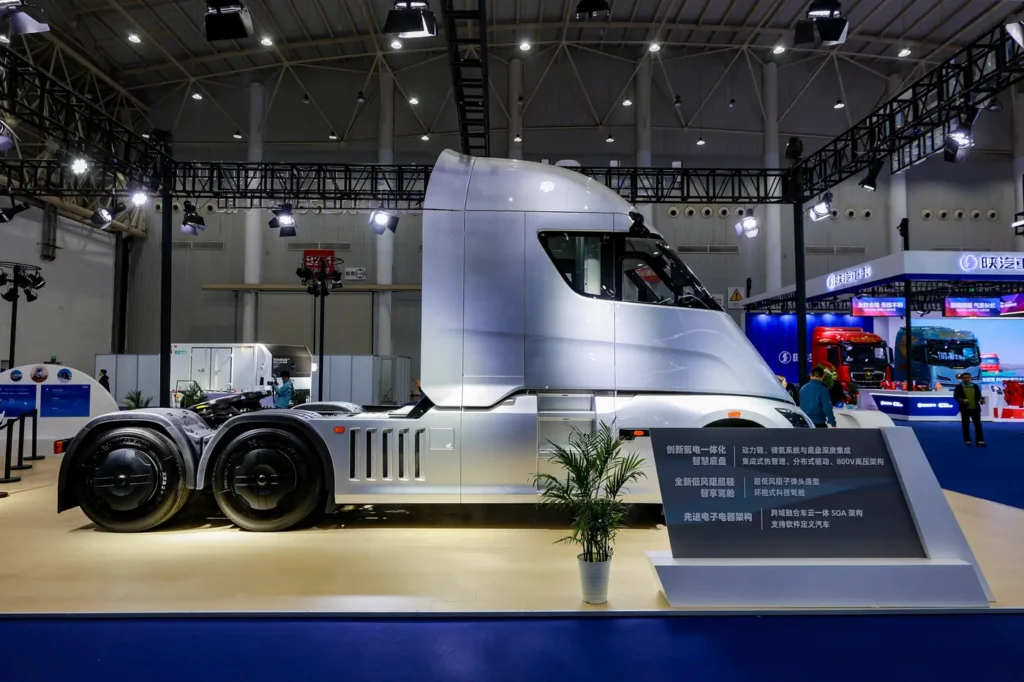
The Hybot H49 is a 6×4 tractor suitable for combinations with a total weight of 49 tonnes, which is by far the most common among Chinese transport companies. It is equipped with a fuel cell system with a total power output of 300 kW.
The hydrogen for the fuel cells is stored in gaseous form at a pressure of 700 bar in carbon fibre tanks located along the chassis. The version with the longest operating range — up to 1,000 km according to the manufacturer’s data — features additional H₂ tanks located behind the driver’s cab.
The vehicle can operate in extreme weather conditions with temperatures ranging from -30 to +45°C and at altitudes of up to 3,500 metres above sea level. Road tests carried out by the manufacturer have shown an average consumption of around 7.1 kg of hydrogen per 100 km.
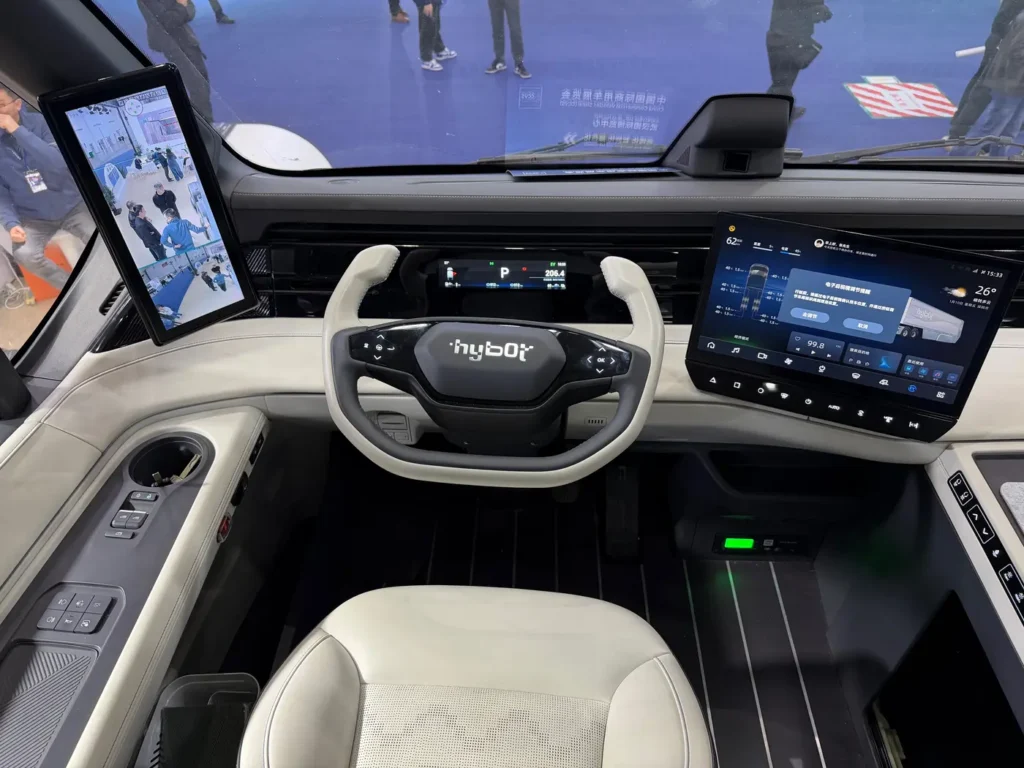
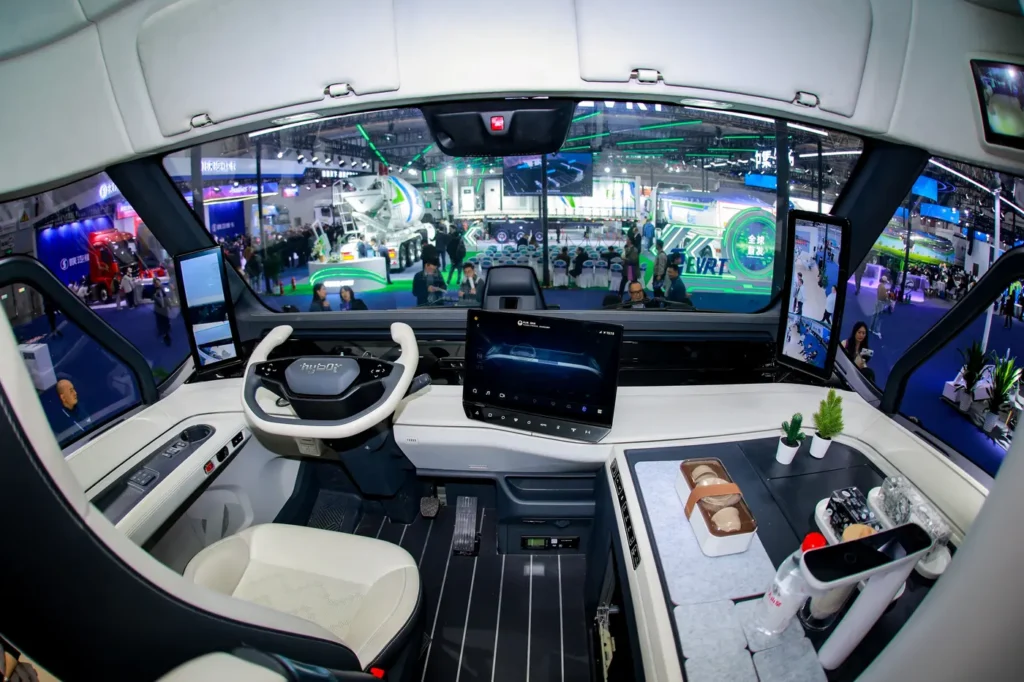
The vehicle’s extended operating range is thanks to the cab’s aerodynamic efficiency, with a Cx of 0.35, and its low tare weight of under 10 tonnes, achieved through the use of carbon fibre reinforced polymer (CFRP) components. The Hybot is powered by three electric motors: one is integrated into the second axle, and the other two are integrated into the third.
This architecture enables a single motor to be used at cruising speed on flat roads and all three motors to be used on steep gradients or when cornering. The interior layout of the driver’s cab is particularly interesting. It features a single seat on the left-hand side of the vehicle, fully digital instrumentation with screens replacing traditional rear-view mirrors and a convertible sleeping area. This provides the driver with a shower cubicle and a fold-down bunk positioned along the rear wall of the cab, as well as space for a washing machine.
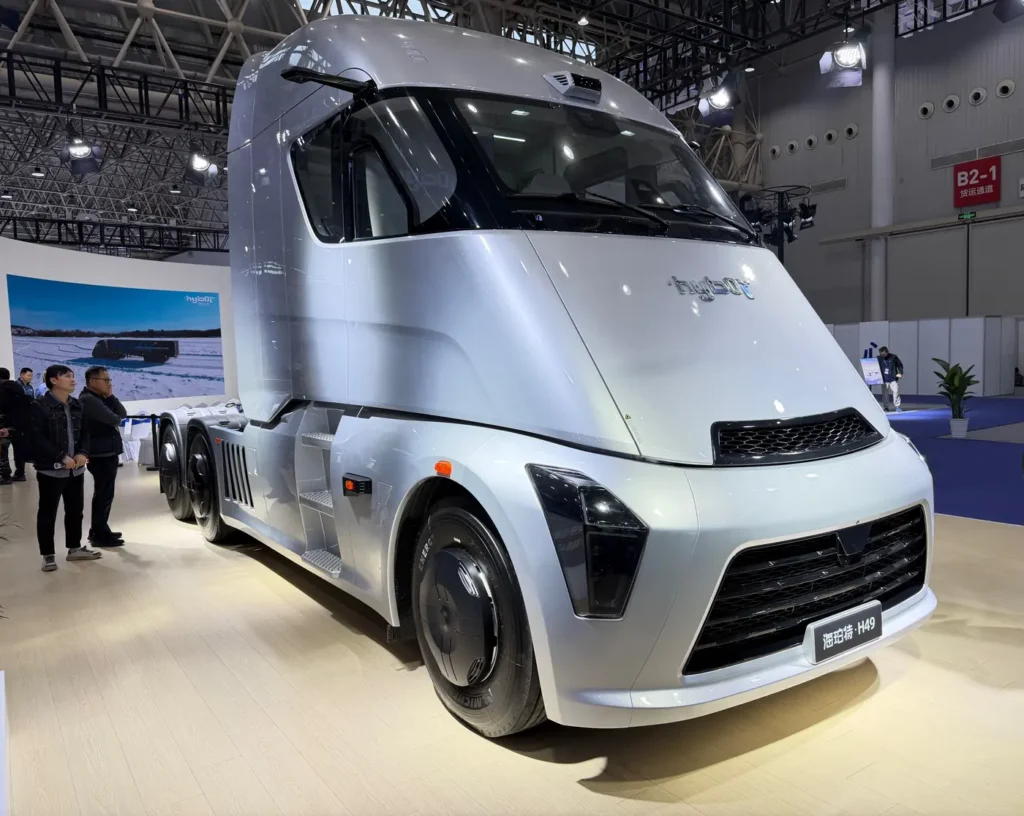
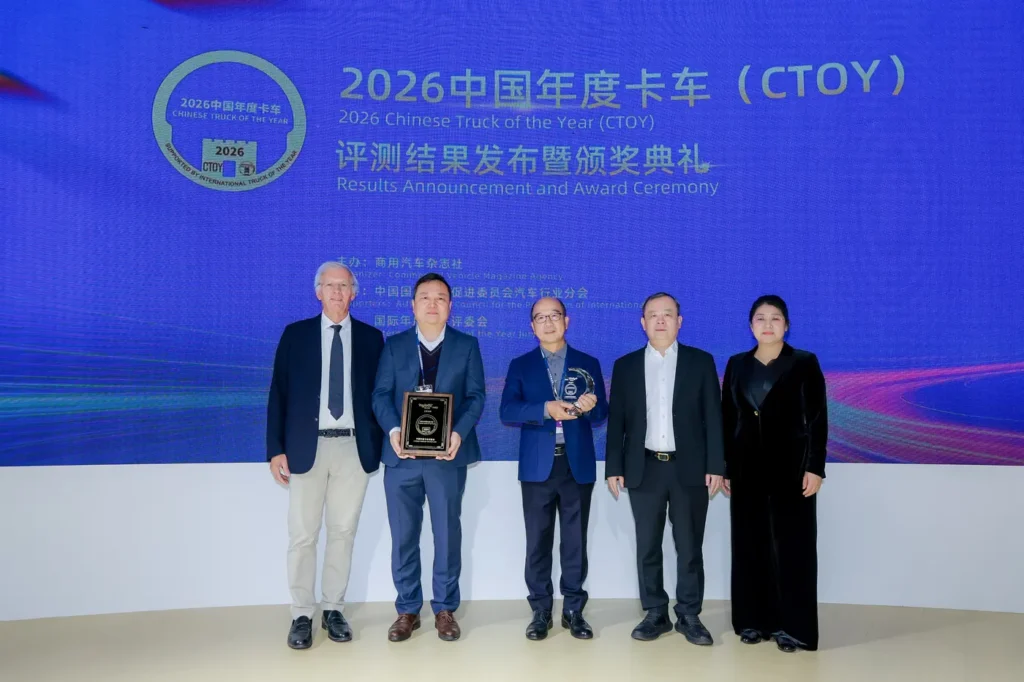
During the award ceremony, Hybot signed a supply contract with Wuhan Future Innovative Comprehensive Energy Service involving the deployment of around 200 low-environmental-impact vehicles – including the H49 – at a total cost of around €93 million.
Huang Zhaoqin, President of Hybot, and Sun Ying, CEO of the Chinese company, received the Chinese Truck of the Year 2026 trophy from Wang Xia, President of the automotive section of the China Council for the Promotion of International Trade (Auto-CCPIT); Yu Jing, President of the award jury; and Gianenrico Griffini, a journalist from Allestimenti & Trasporti.
Allestimenti & Trasporti invites you to the second edition of T3 EXPO – THE TRANSPORT, VEHICLES AND TYRES SHOW, in Piacenza from 22 to 24 October 2026.